
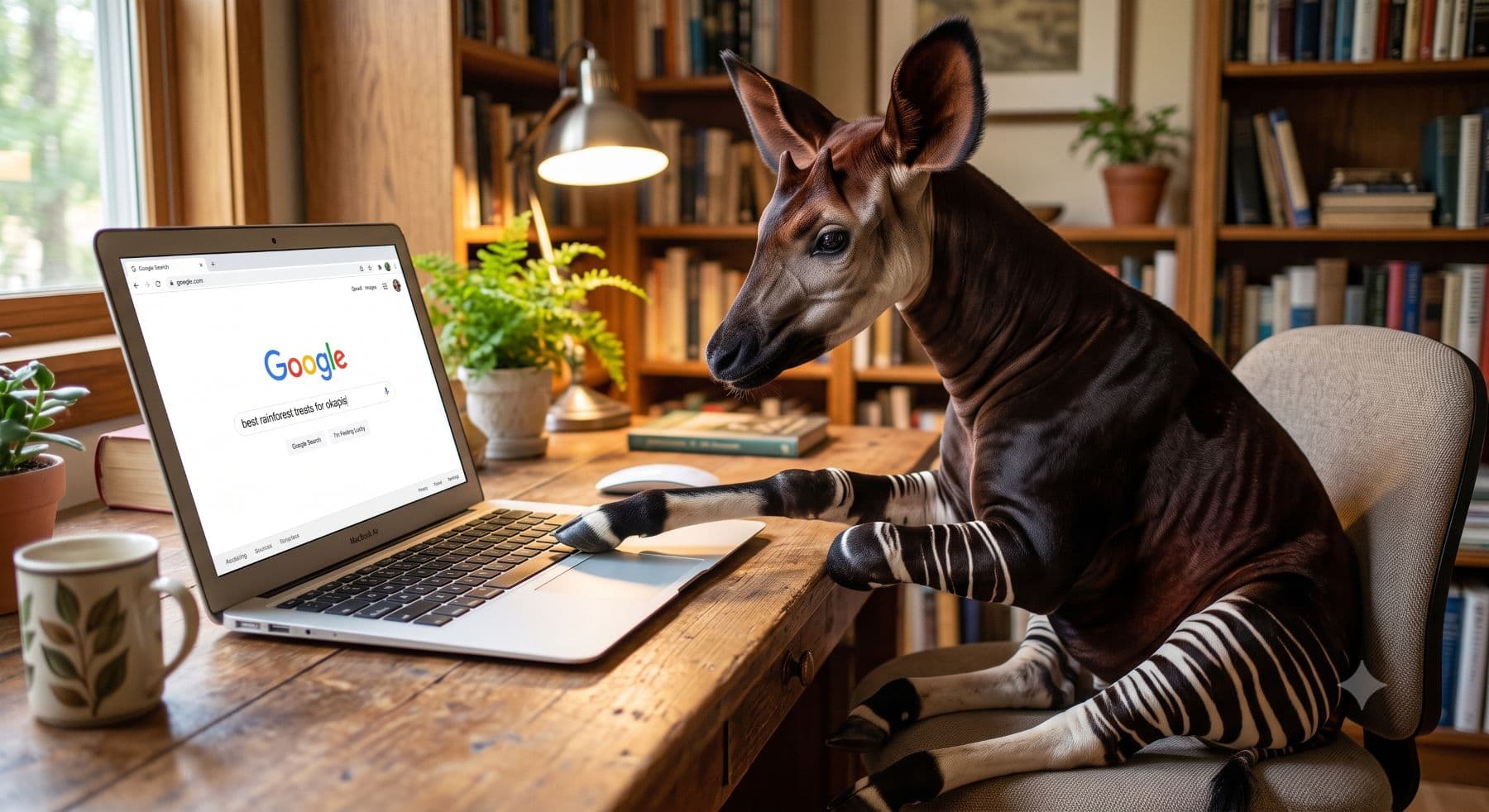
SEO does not need to be complicated. This plain-English guide explains what it is, how meta titles and keywords work, and how Claude can help you get found on Google.
This is the written companion to Episode 6 of our video series, How to Use Claude to Grow Your Business.
You could have the best product in the world
If nobody can find you on Google, it does not matter. SEO, which stands for search engine optimisation, is the process of making your website show up when people search for what you do. It is not complicated. Most people just have never had it explained clearly.
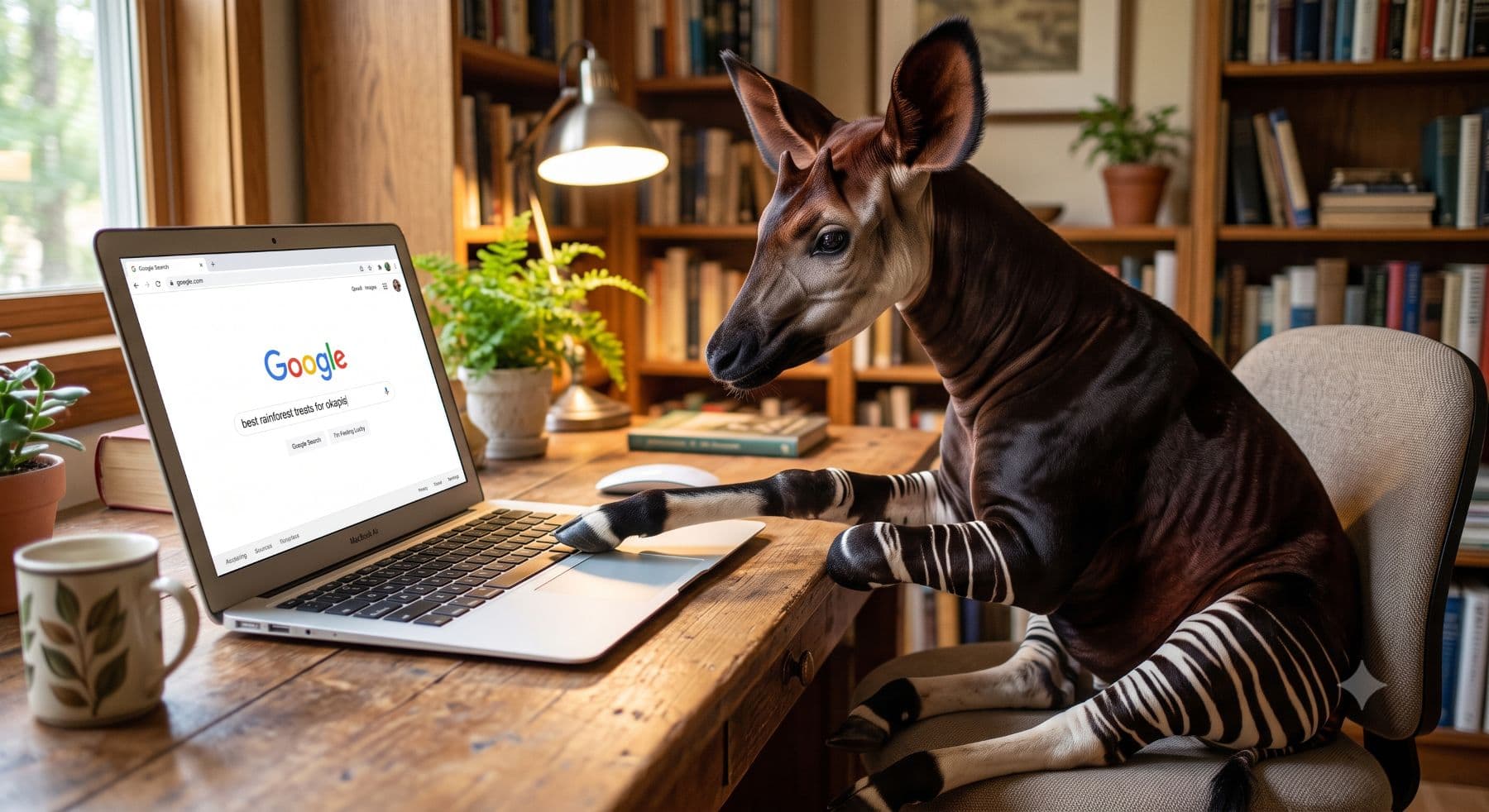
This episode does that. And it shows you how Claude can help.
What SEO actually is
When someone types a question or a phrase into Google, Google decides which websites to show them. The decision is based on hundreds of factors, but the core idea is simple: Google wants to send people to pages that genuinely answer their question.
SEO is the work you do to make your website one of those pages.
The quick wins: meta titles and meta descriptions
When you search for something on Google, you see a list of results. Each one has a blue clickable link and a short paragraph underneath it. The blue link is the meta title. The paragraph is the meta description.
These are often the first thing a potential customer sees before they click through to your website. Getting them right is one of the fastest and most practical improvements you can make.
A good meta title tells Google and the reader exactly what the page is about. A good meta description gives them a reason to click. Most small business websites have these either blank, auto-generated, or written in a way that makes no sense to a real person searching for help.
Claude can help you write better ones. We will show you how in the video.
Keywords: what they are and how to find yours
A keyword is the phrase a real person types into Google when they are looking for what you offer. If you are a plumber in Leeds, some of your keywords might be: plumber Leeds, emergency plumber Leeds, boiler repair Leeds.
You want your website to appear when people type those phrases. To do that, you need to use those phrases naturally in your page content, your headings, your meta title and your meta description.
Claude can help you find the right keywords for your business. Just describe what you do and who your customers are, and ask Claude to suggest the phrases they are most likely to search for. It is not a replacement for a proper keyword research tool, but it is a fast and useful starting point.
Why content matters for SEO
Google rewards websites that consistently publish useful, relevant content. A blog is the most practical way for most small businesses to do this.
Every blog post is an opportunity to appear in search results for a specific question. If you are a solicitor, a post answering the question what is the difference between a will and a lasting power of attorney could bring in people searching for exactly that.
The key word there is useful. Google has become very good at telling the difference between content written for real people and content stuffed with keywords but saying nothing of value. Write for humans first. Use Claude to help you do it efficiently.
Page speed and mobile
Two technical factors worth knowing about. Google takes your website speed into account when deciding rankings, and it primarily looks at how your site performs on a mobile phone, not a desktop.
If your website is slow or difficult to use on a phone, that hurts your rankings. We do not go deep on the technical fixes in this episode, but it is worth knowing these factors exist. A basic check is to open your website on your phone and see how it feels to use.
Something to try right now
Open Google and search for what you do, for example: accountant in Bristol or dog groomer in Leeds. Look at who comes up and what their meta titles say. That is your competition.
Now open Claude and ask it to help you write a better meta title and meta description for your own equivalent page, based on what your business actually does.
What to do next
Episode 7 covers analytics, because SEO without measurement is guesswork. You need to know whether what you are doing is working.
If you would prefer to learn in person with a small group, we run hands-on AI workshops for business owners across the south of England.
Book a place on one of our in-person AI workshops, or watch for Episode 7 dropping very soon.
Tagged: Guide, Tutorial.

Jim Chetwode
Founder, Okapi & Co · Shaftesbury, Dorset
Thirty years in digital marketing, now spent on how businesses get found in Google and cited by AI assistants. Chairman of the Shaftesbury and District Chamber of Commerce, Dorset Ambassador, and the person who runs the AI workshops.