
Blog · SEO and AI search

Google I/O and the future of Search

By Jim Chetwode · 26 May 2026

Google I/O and the future of Search

The key stats and figures from Google I/O

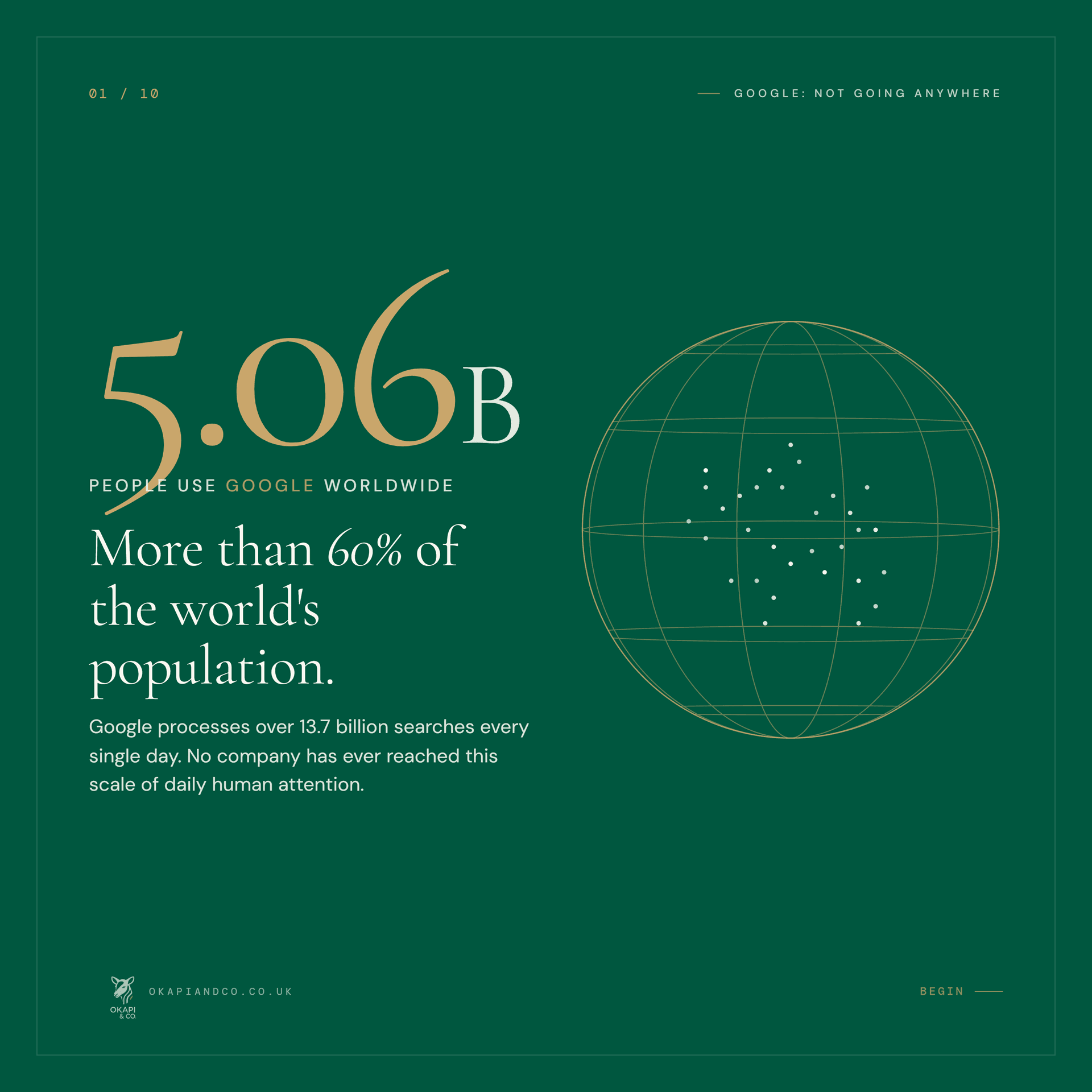
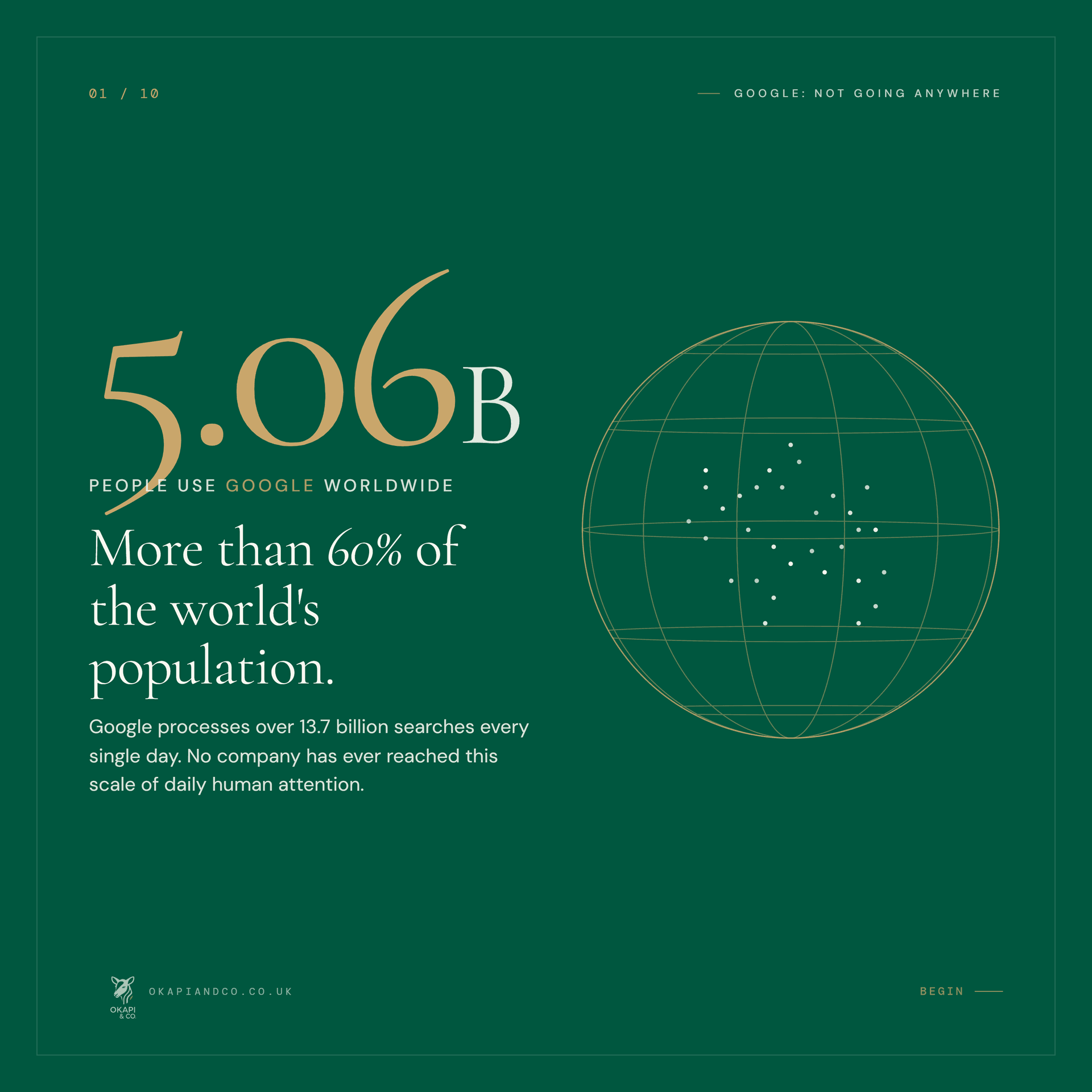
5.06 billion people use Google worldwide, more than 60 per cent of the world's population
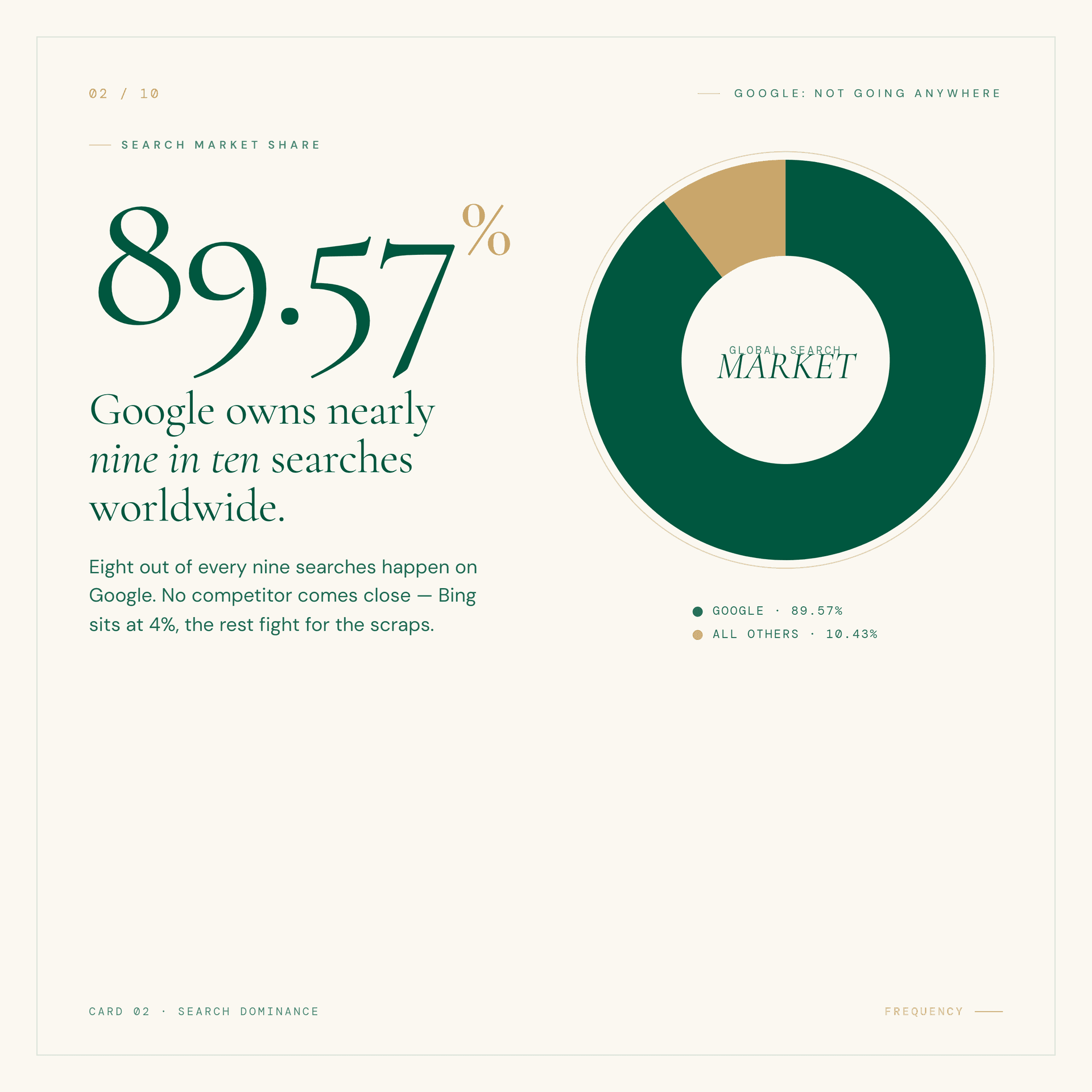
Google holds 89.57 per cent of searches worldwide, shown as a donut chart
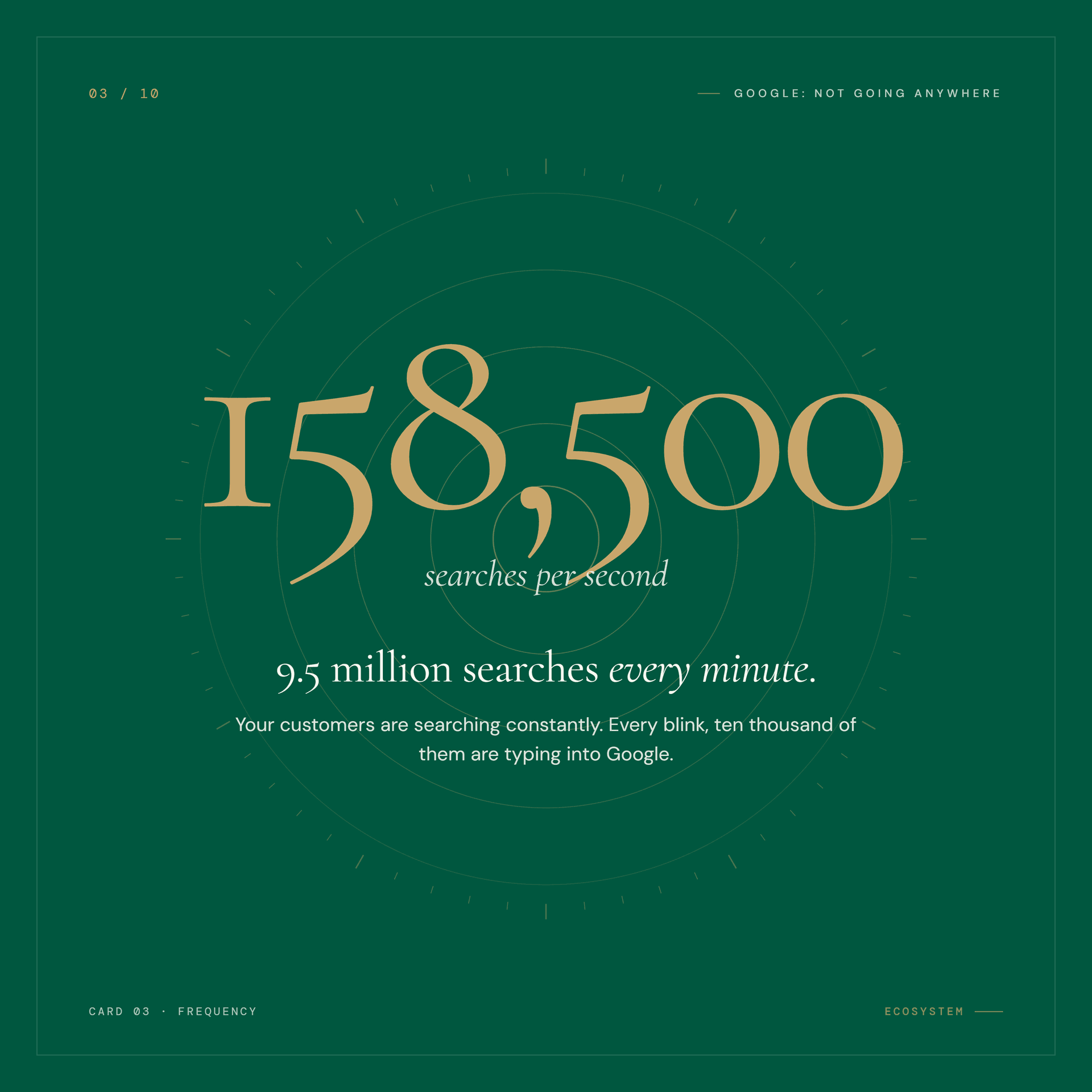
158,500 searches a second, or 9.5 million every minute
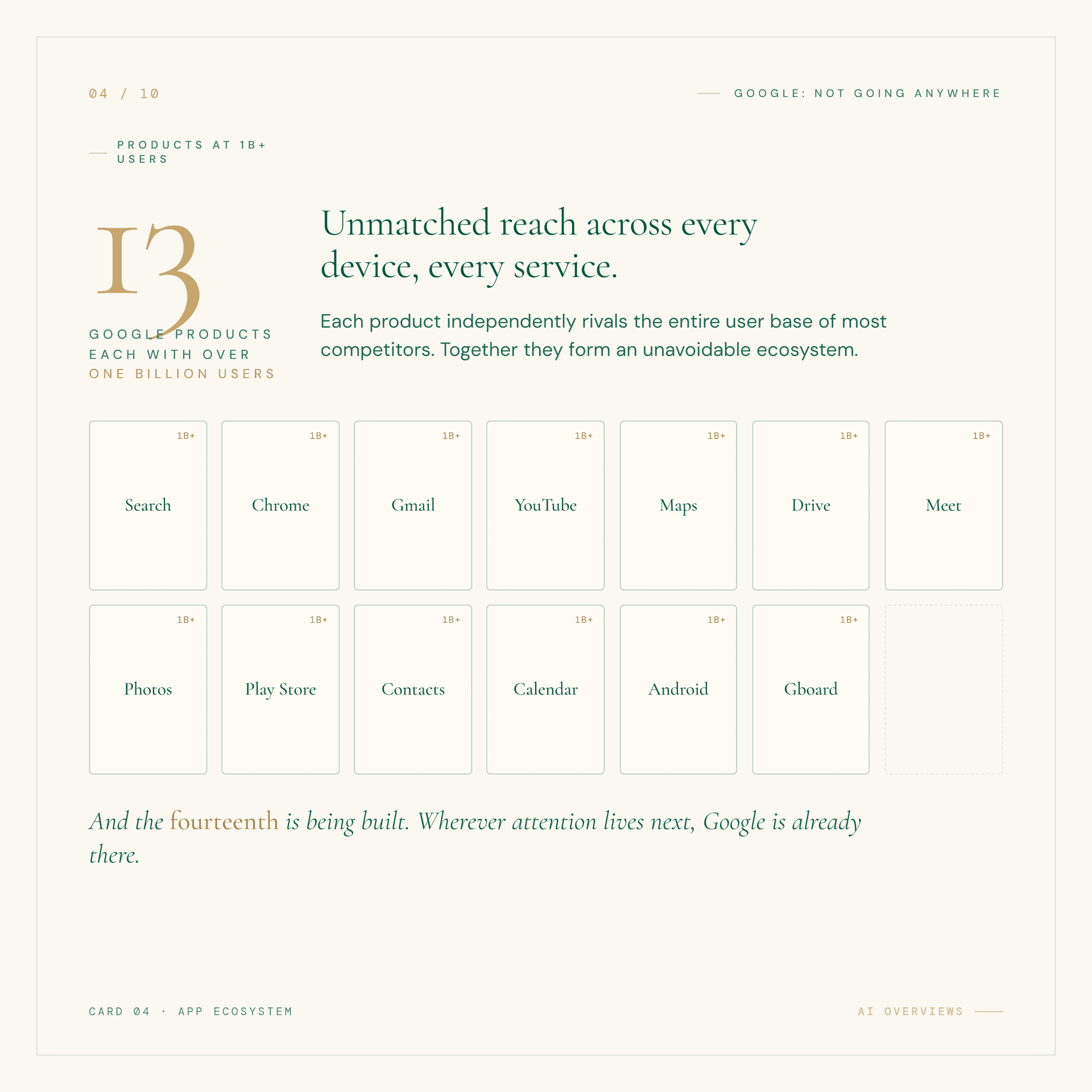
Thirteen Google products each have more than 500 million users, shown as a grid of product tiles
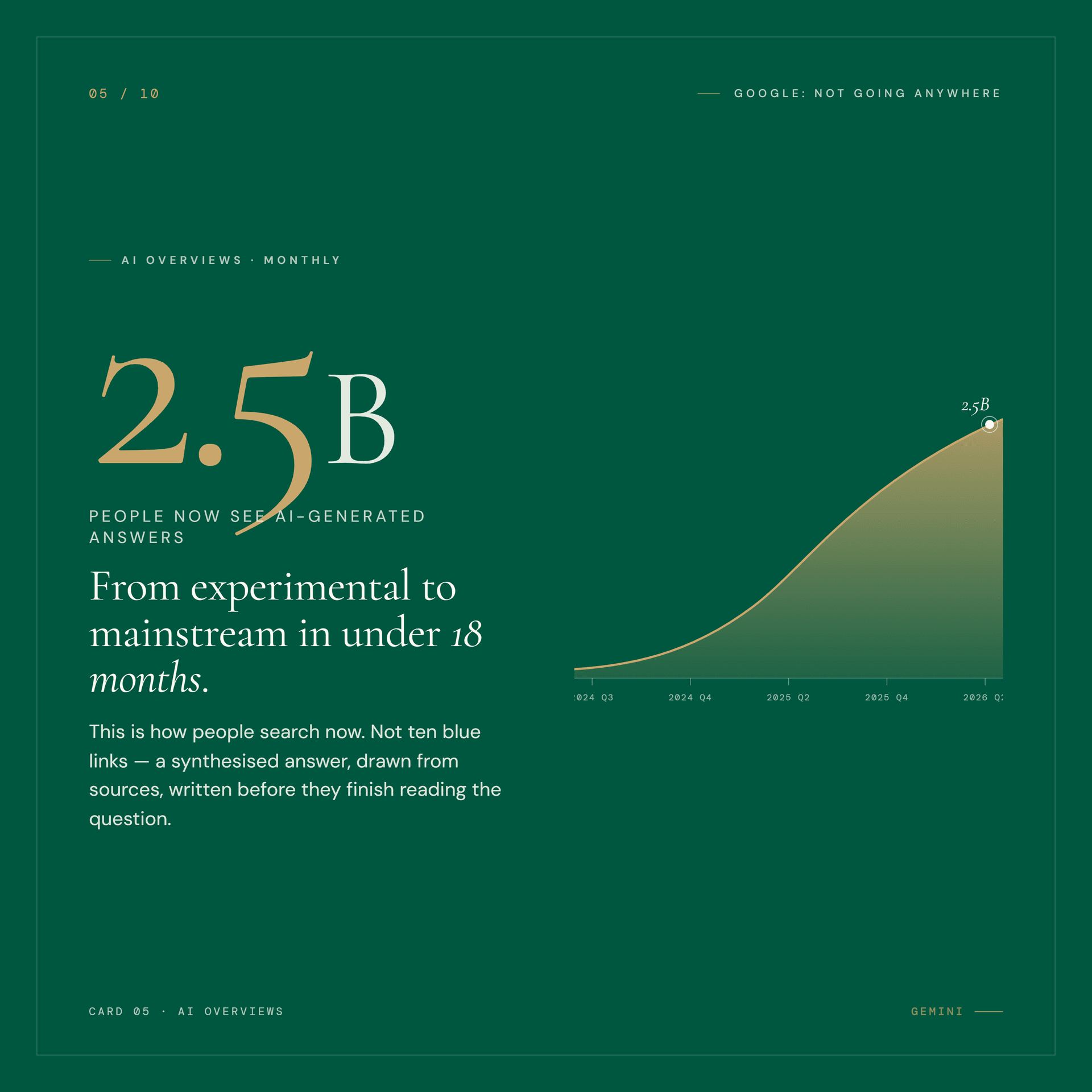
2.5 billion people now see AI-generated answers, from experimental to mainstream in under eighteen months
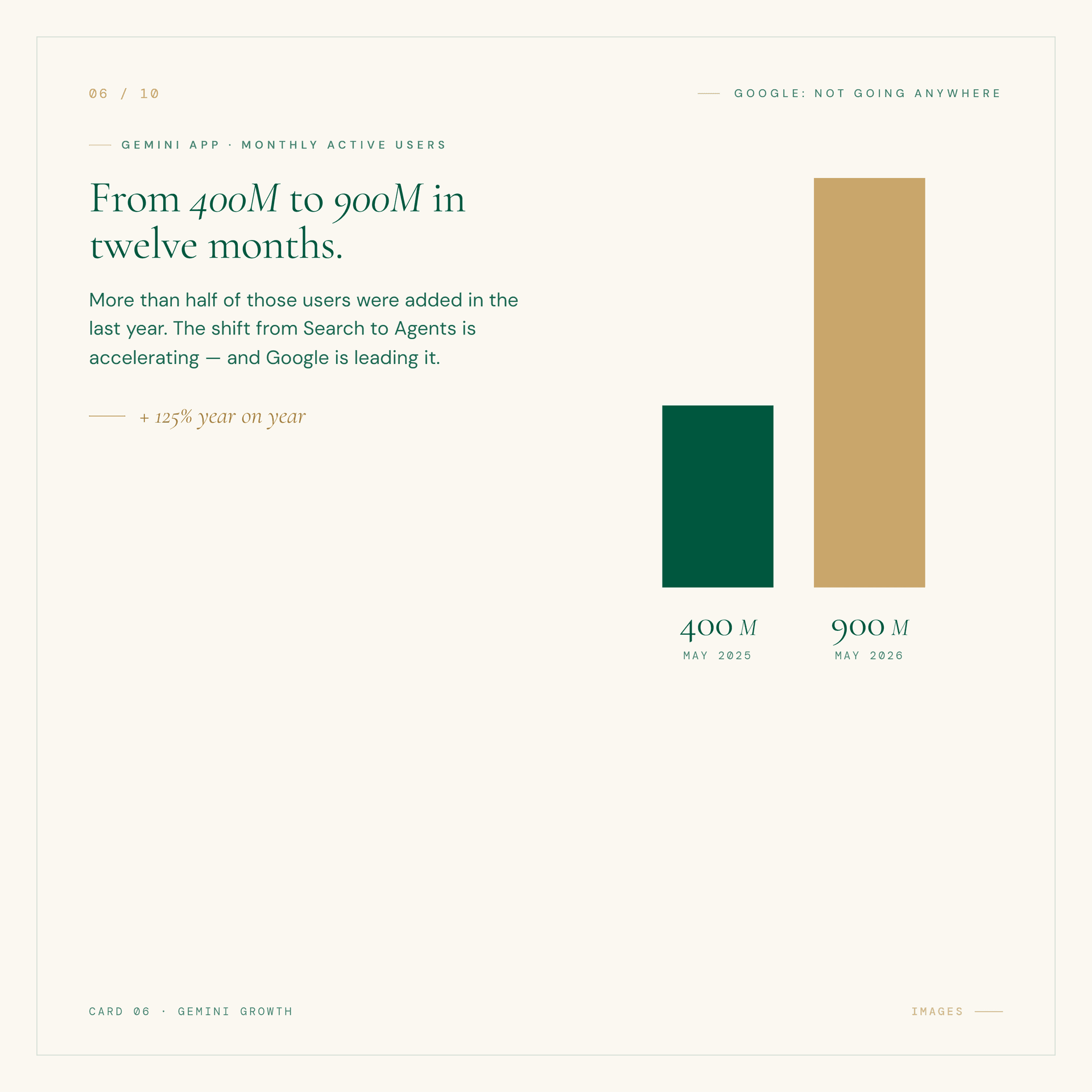
Gemini app monthly active users rose from 400 million to 900 million in twelve months
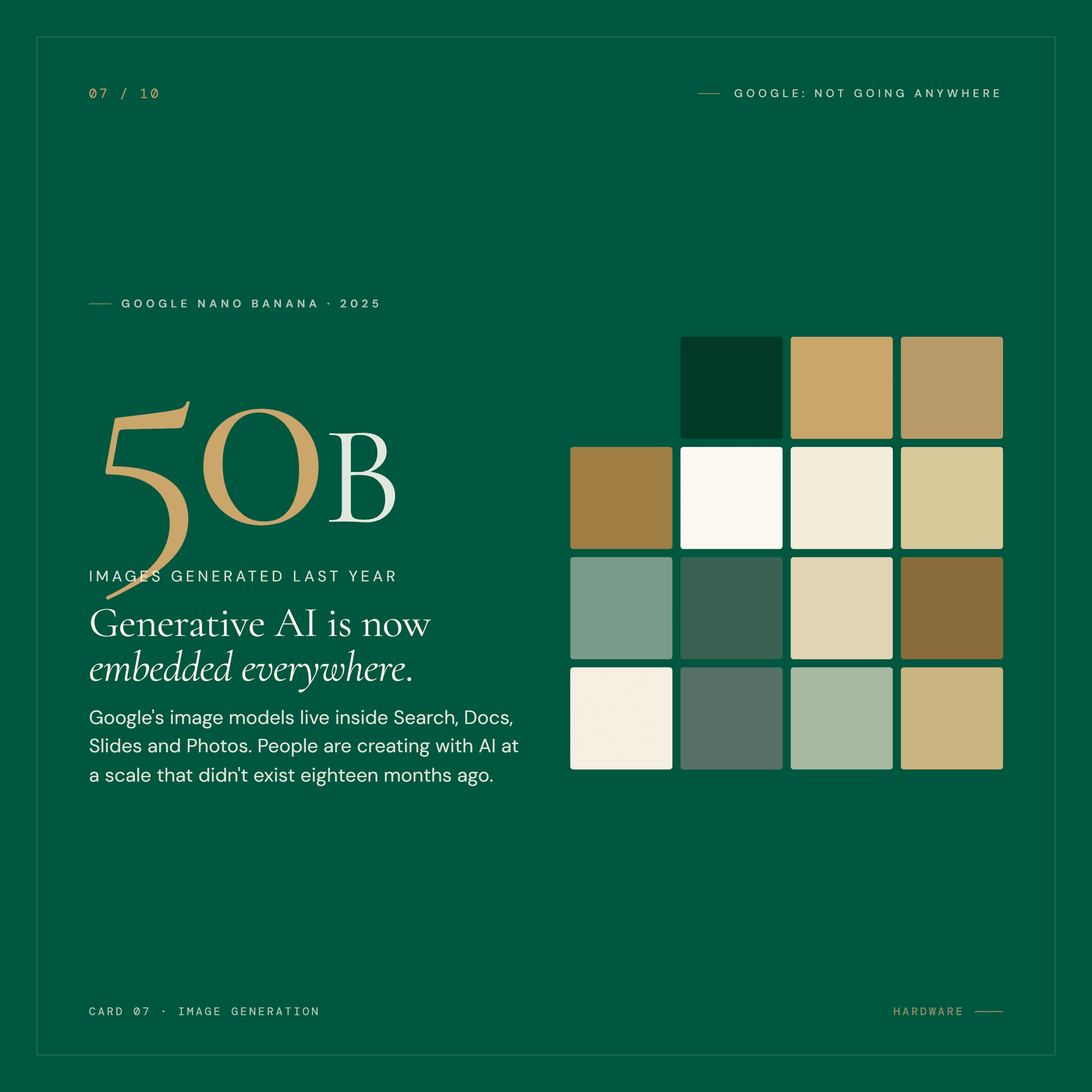
50 billion images were generated last year, shown as a grid of colour tiles
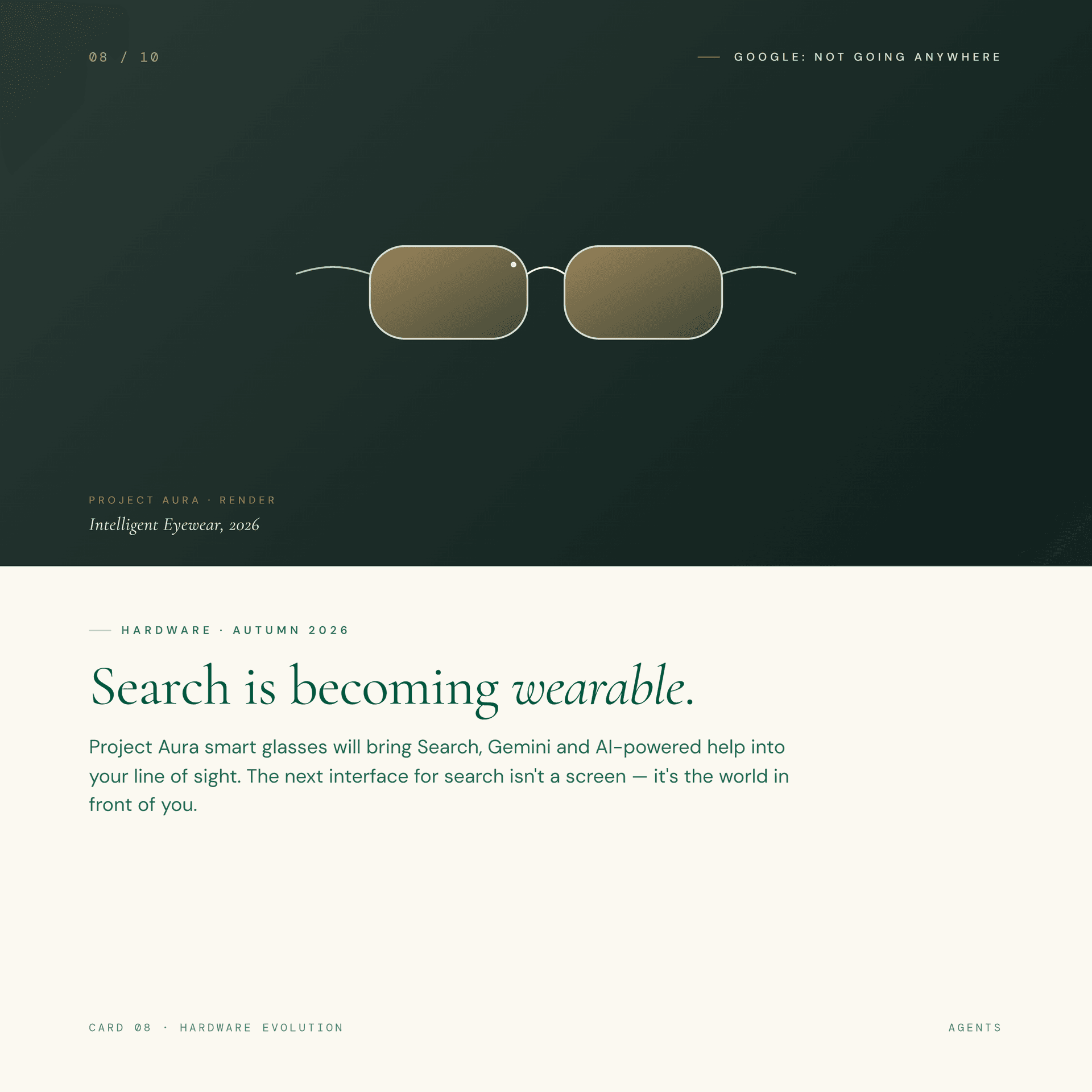
Project Aura smart glasses, as search becomes wearable
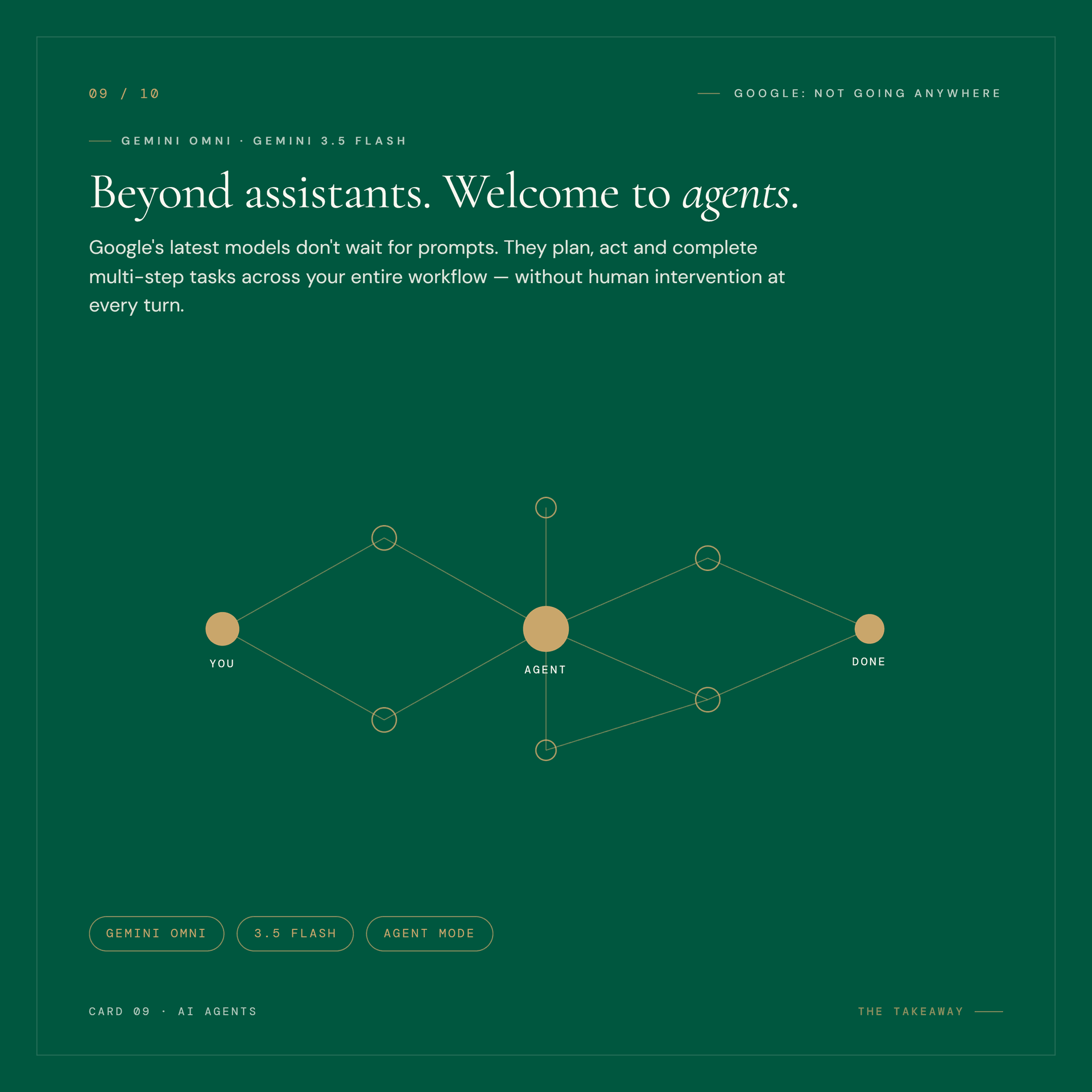
A node diagram showing the shift from assistants to agents

Tagged: News.

Jim Chetwode

Jim Chetwode

Founder, Okapi & Co · Shaftesbury, Dorset

Thirty years in digital marketing, now spent on how businesses get found in Google and cited by AI assistants. Chairman of the Shaftesbury and District Chamber of Commerce, Dorset Ambassador, and the person who runs the AI workshops.

More about JimBook a free call

Related reading

  • We Are at the Hinton Business Expo Today

    12 November 2026 · Inside Okapi

    We are sponsoring the Futures Room at the Hinton Workspace Business Expo today, Jim is speaking at 10.25am on building an AI dashboard, and we have a stand on the floor. Come and say hello.

  • A Box of Business Cards, and a Banner for Thursday

    6 November 2026 · Inside Okapi

    Our first proper merchandise arrived this week. A box of business cards and a pull-up banner, both of them ready for the Hinton Workspace Business Expo on Thursday, where we are sponsoring the Futures Room and Jim is talking about building an AI dashboard.

  • The AI Search Halo Effect: Can AI Citations Lead to More Organic Clicks?

    3 November 2026 · SEO and AI search

    A customer sees your business named in an AI answer, ignores the citation, and clicks your ordinary Google listing instead. That possible knock-on benefit has a name, and one small test behind it. Here is what the evidence says, what it does not, and how to start measuring the wider picture yourself.

Get the next one by email.

A short email about once a month. Plain English, no fluff, one-click unsubscribe.